
Silence in Motion across the Alps
From hum to hush through electric torque
Vibration isolation is a quiet superpower
Listening walks and measurable stillness
Designing Calm: The Acoustic Science Behind Mountain Transport
Electric Snow Groomers Sculpting Dawn Light
Cable Cars That Murmur, Not Roar
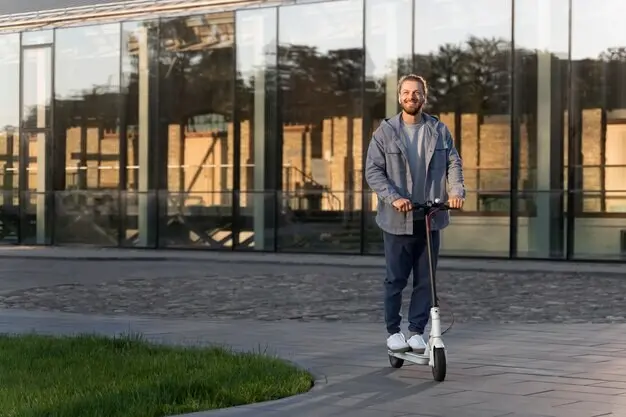
E-Bikes Weaving Quiet Paths Between Meadows




Clean Energy, Smart Infrastructure, Shared Responsibility
Voices from the Mountains and Ways to Get Involved
A guide remembers a first silent departure
She tells of opening the station doors at blue hour, hearing only snow crystals crunch and a motor’s soft inhale as cabins eased out. Nervous guests relaxed before boarding, because the calm felt obvious, not asserted. That ride ended with a sunrise hush so complete people whispered instinctively, then laughed at themselves. Since then, she trains newcomers to treat sound as a safety tool and a welcome mat, not just a technical parameter.
Guests find a restorative pace
Families describe realizing that conversation carried across the cabin without leaning in, that skis clicked softly rather than clattered, and that the mountains suddenly felt bigger because they could hear distance again. One teenager said the quiet made the first black run feel friendlier, because her pulse, breath, and edges were the soundtrack. Those reflections remind planners that gentle motion supports courage, learning, and belonging every bit as much as statistics on throughput or speed.
Share insight, subscribe, and shape the next ride
Your observations matter. Tell us where a station echo lingers, which trail feels harmoniously silent, or how an e-bike bell etiquette improved coexistence with grazing herds. Post a comment, reply with recordings from a dawn walk, or volunteer for a community sound survey. Subscribe for field notes, engineering updates, and story features that celebrate progress. Each contribution tunes the collective ear, guiding investments toward the most meaningful, felt improvements in alpine serenity.